
The basics
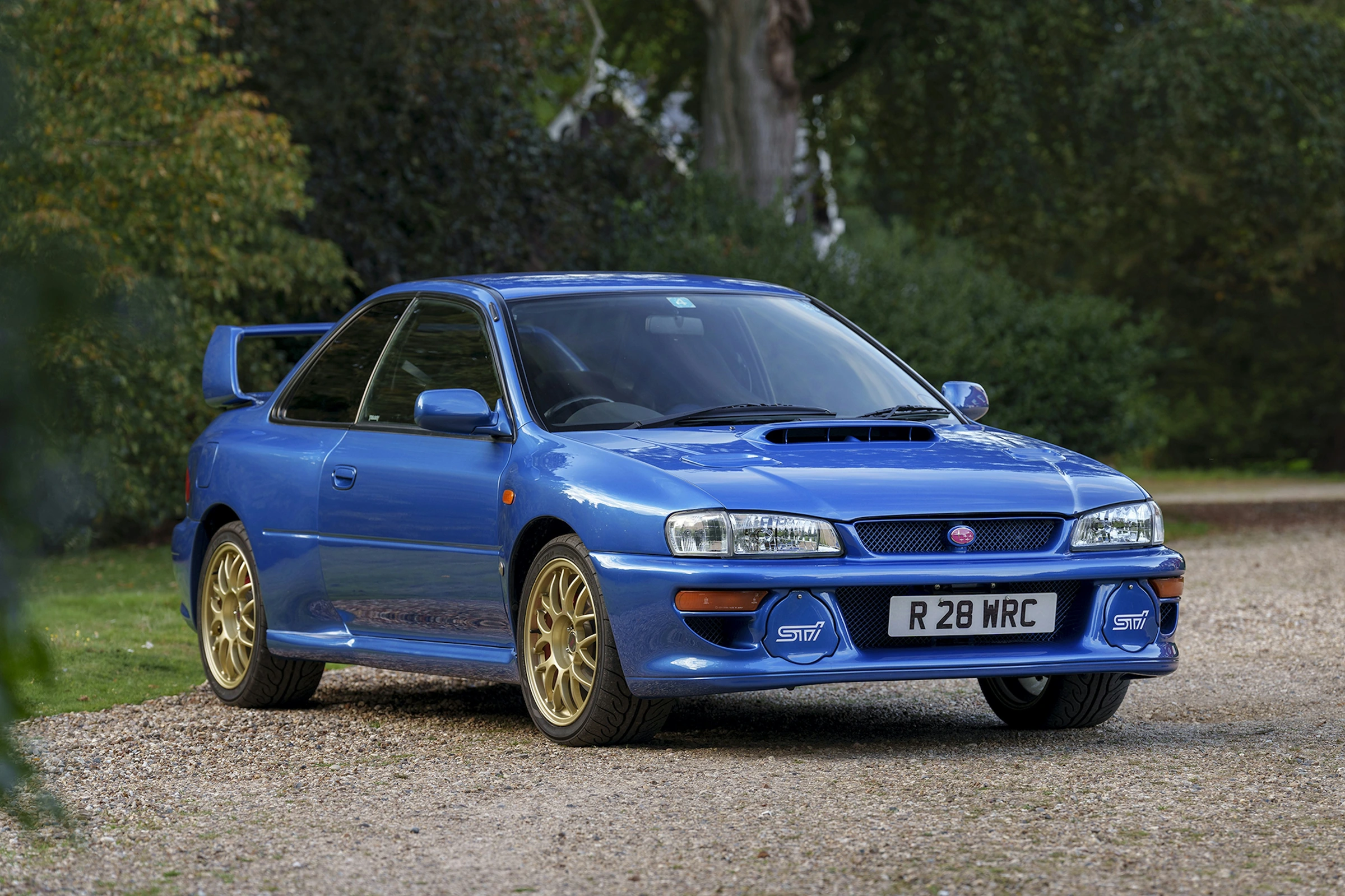
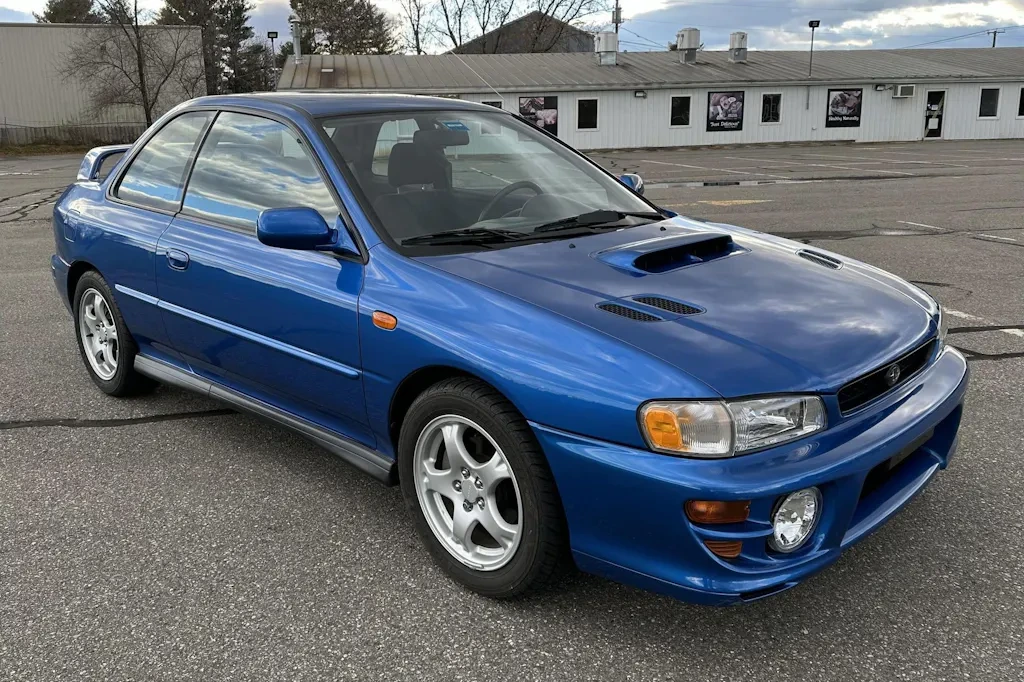
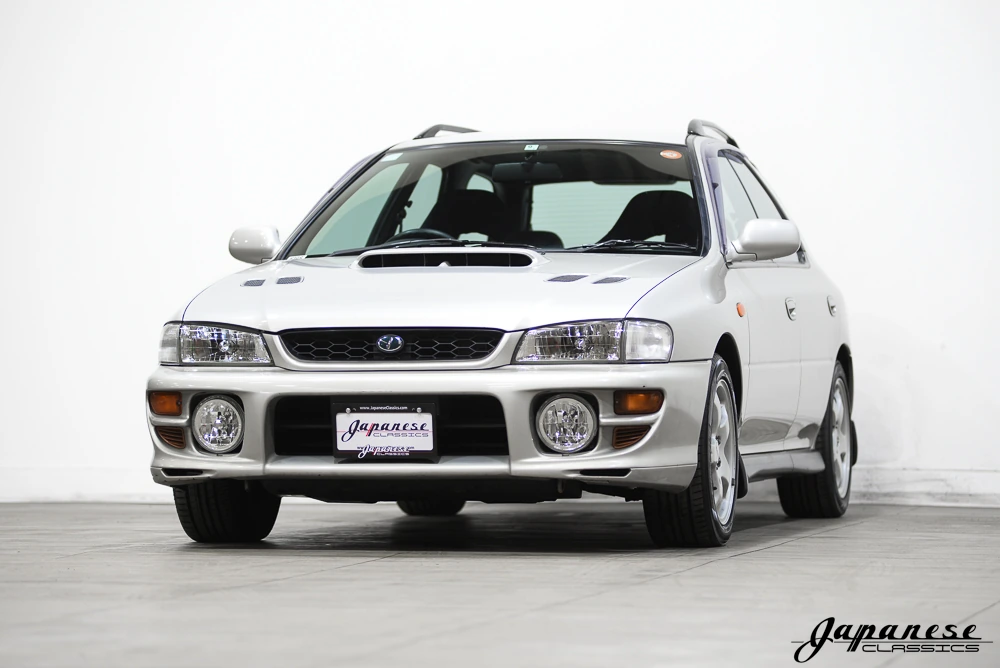
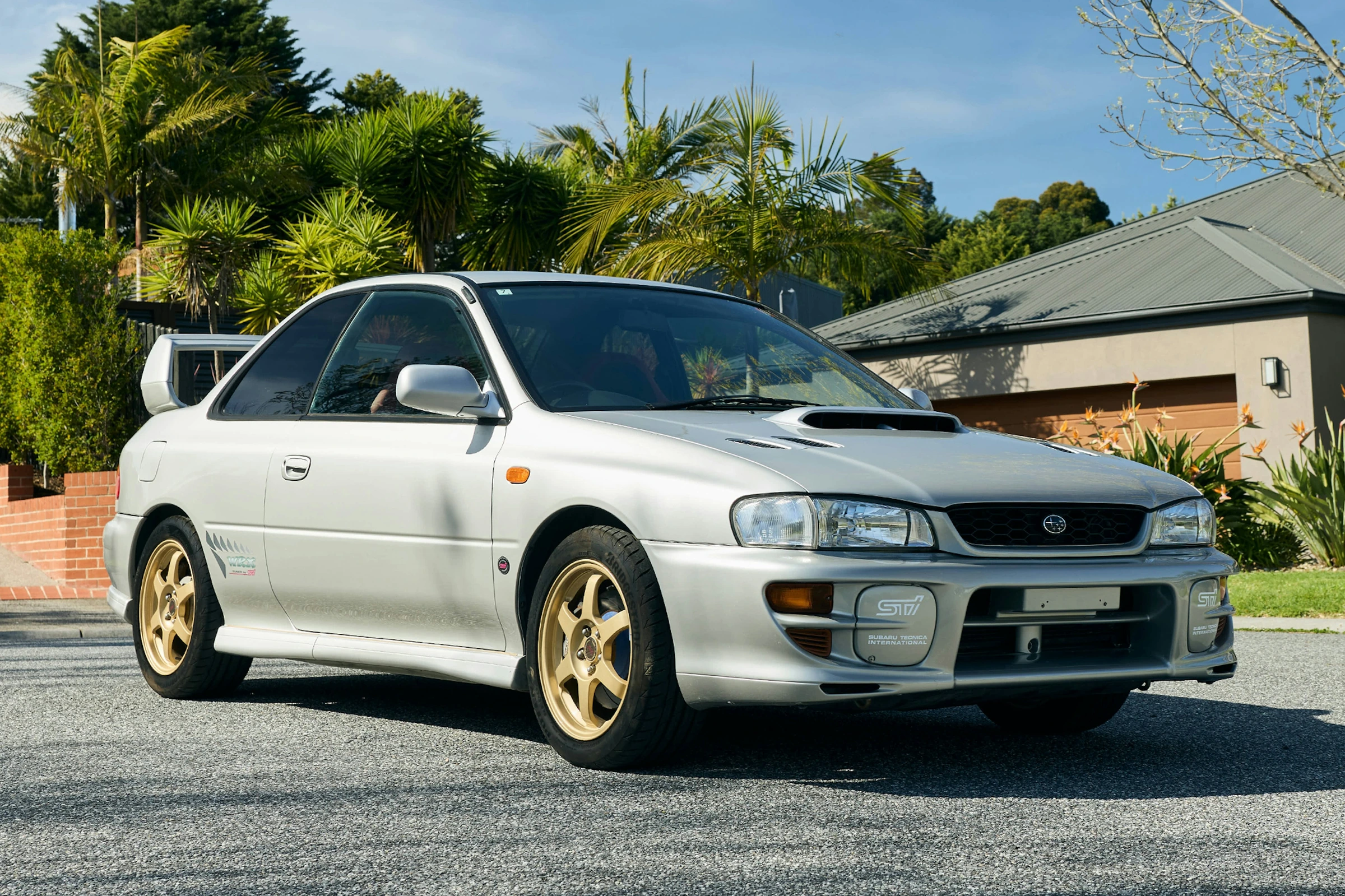
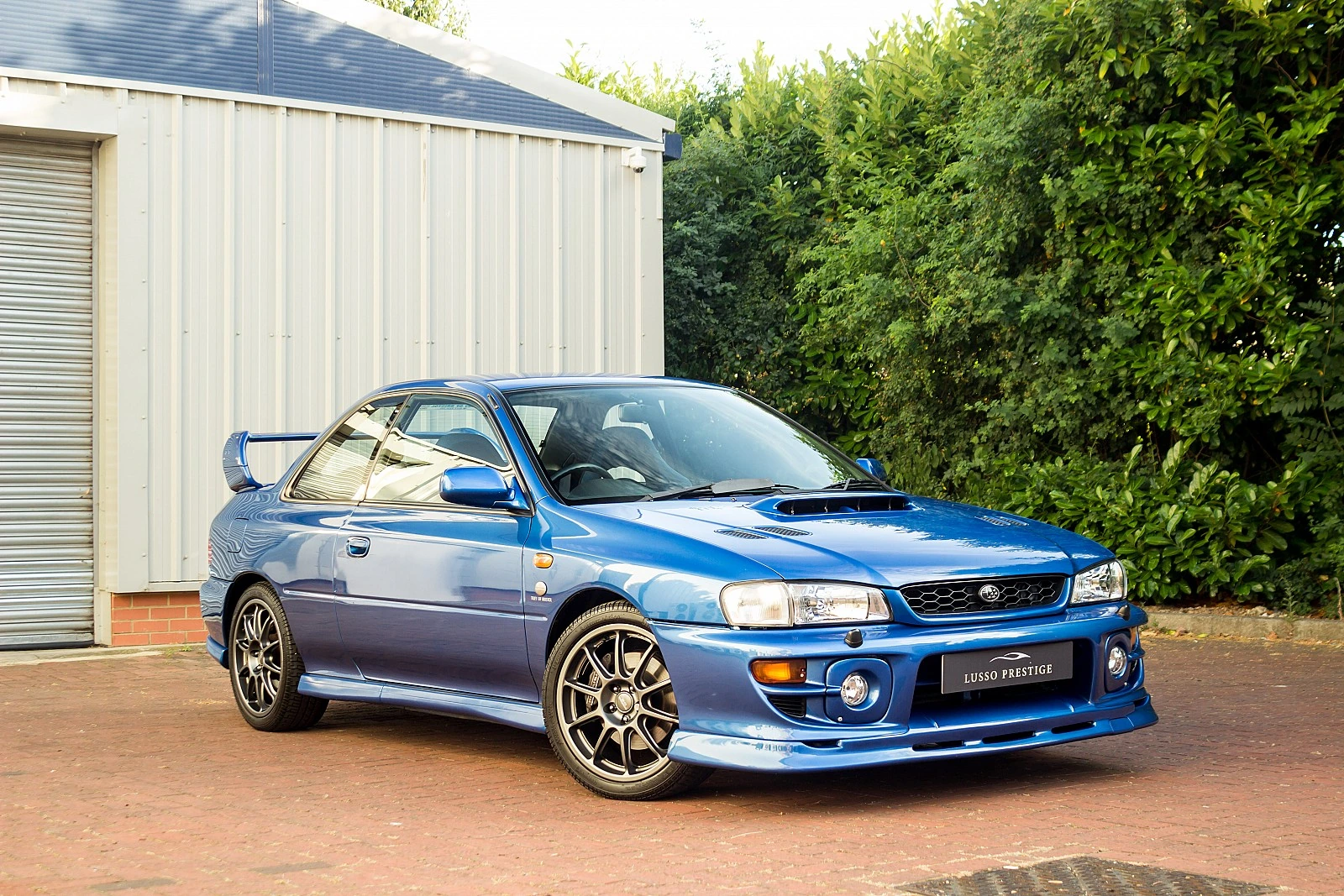
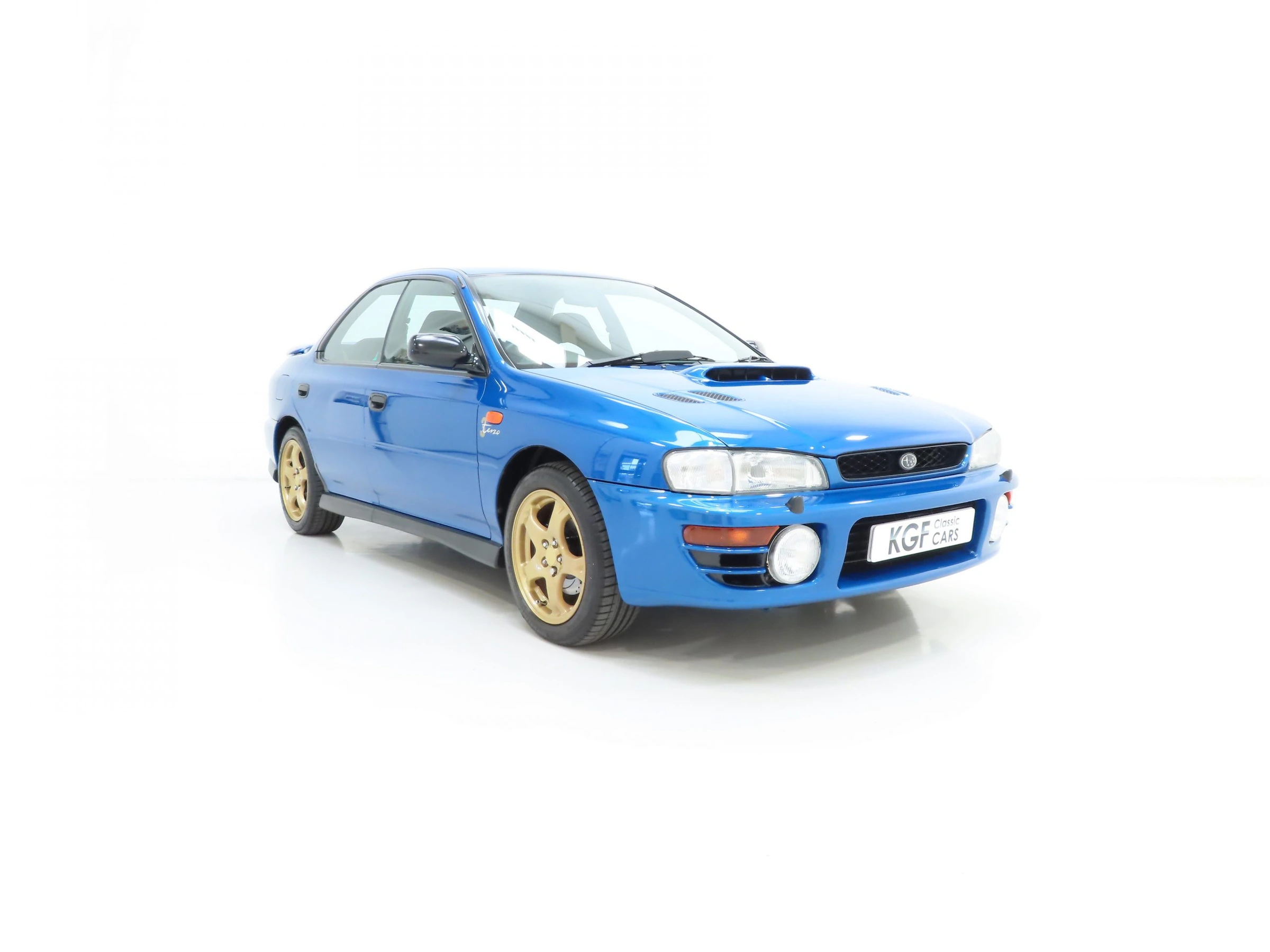
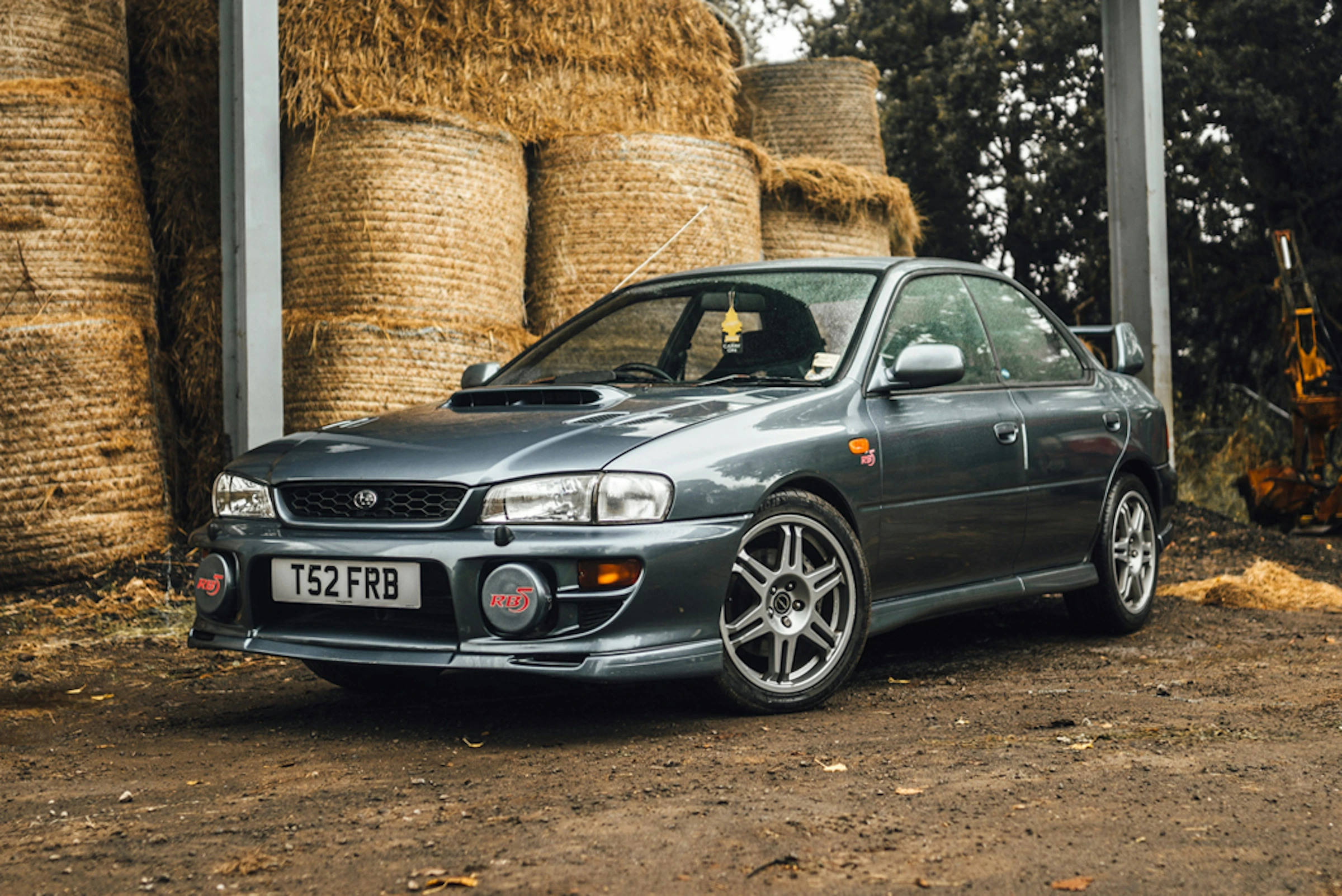
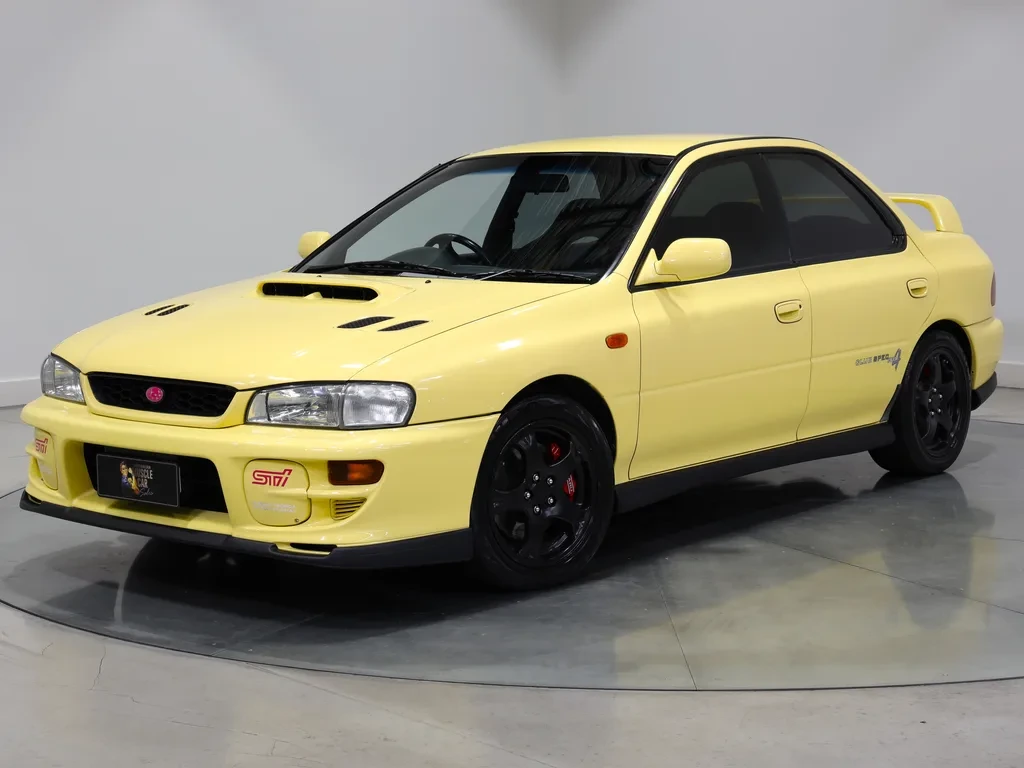
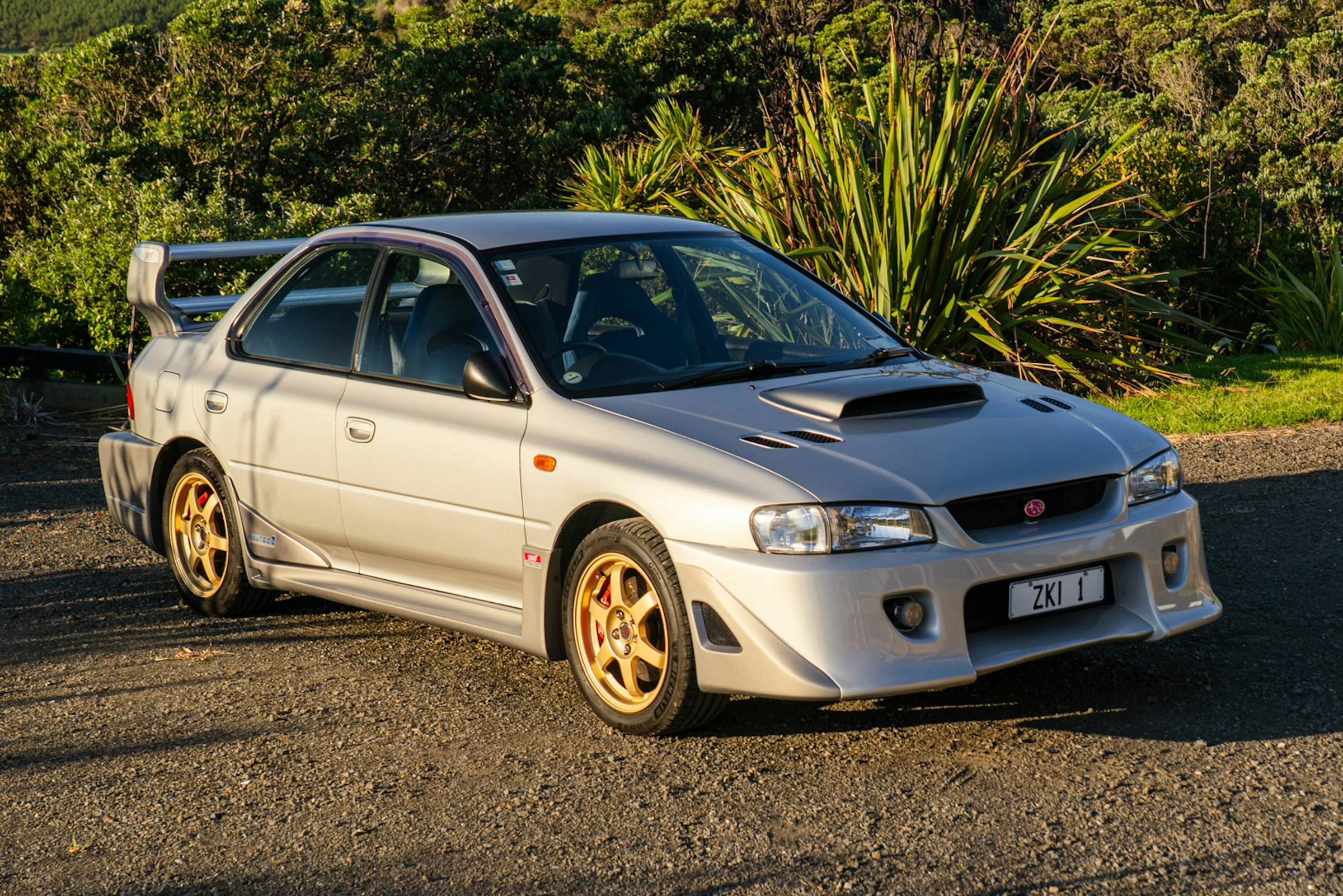
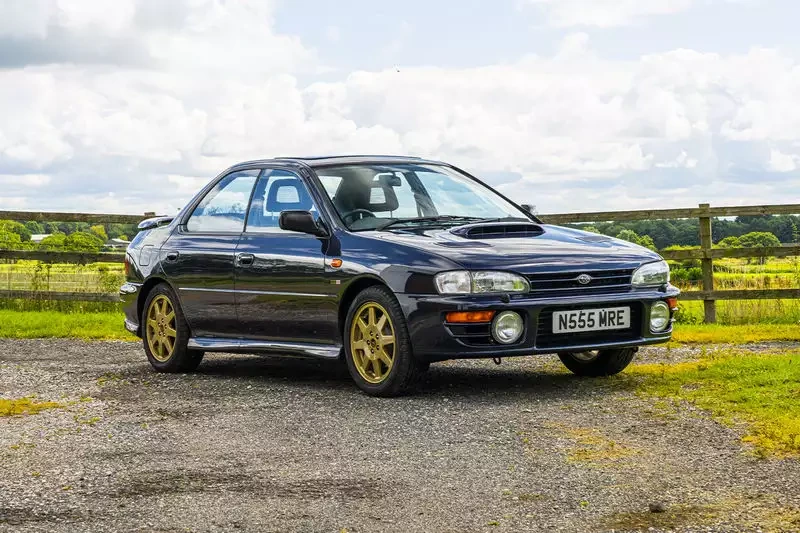
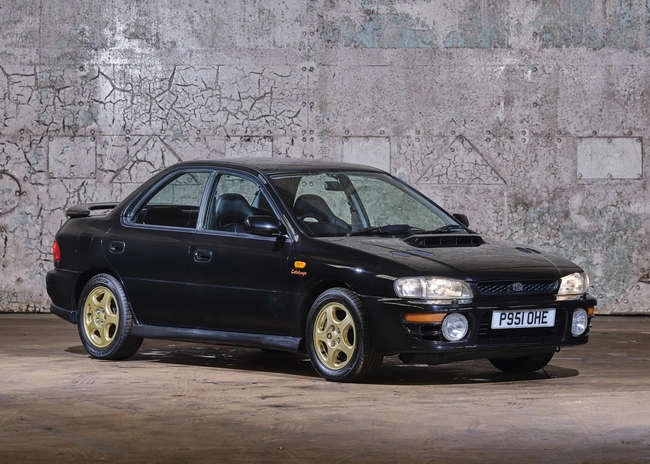
The classic Impreza is Subaru’s first-generation compact, sold as a sedan, coupe and wagon. Japan’s original shape ran from 1992 to 2000; it continued through the 2001 U.S. model year. Start with the original market, model year and factory grade when identifying a car.
This guide covers the familiar models and selected special editions. Years marked “example” identify the photographed car, not the model’s entire production run. Read the linked source for that specific specification.
A brief history
- 1992: Impreza launches in Japan.
- 1993: Impreza makes its World Rally Championship debut.
- 1994: The first WRX STI version arrives.
- 1995 to 1997: Colin McRae takes the 1995 drivers’ title; Subaru wins three consecutive manufacturers’ titles.
- 1998: The 22B brings a widebody rally look to the road.
- 2000: S201 arrives, and Japan moves to the next Impreza generation.
STI history · Subaru history · Explore Rally Heritage
Common terms
- GC, GF and GM: chassis-code families associated with classic Impreza bodies. GC8 is common enthusiast shorthand, but it is not the correct factory code for every classic Impreza. Check the car’s identification plate.
- WRX / STI: WRX identifies the turbo performance range. STI means Subaru Tecnica International and identifies a different specification, not simply a wing or badge.
- Type R / Type RA: Type R identifies the classic Japanese STI coupe branch. Type RA identifies competition-oriented variants; both WRX and STI versions existed.
- RSTI: community shorthand for an RS fitted with STI components. It is a build description, not a factory trim.
- DCCD / LSD: Driver’s Control Centre Differential / limited-slip differential. Equipment varies by version.
- NA / EJ: naturally aspirated, without a turbo / Subaru’s EJ engine family. Verify the exact engine code.
- JDM / USDM: Japanese domestic market / United States domestic market. These describe the original market specification.
- PS, hp, kW and WHP: different output labels. Wheel horsepower is not the same measurement as factory engine output.
FAQ
Is a 2.5RS a WRX or STI?
No. The classic U.S. 2.5RS was naturally aspirated. A swapped car may use WRX or STI parts, but its original identity stays the same.
Were all classic Imprezas AWD?
No. Front-wheel-drive versions existed in some markets. Check the actual grade and drivetrain.
Did Subaru make an STI wagon?
Yes. Japan received factory WRX STI wagons, including the Version VI Limited listed above.
Is every two-door Impreza a 22B or Type R?
No. The U.S. L and 2.5RS, Japanese Type R, UK P1 and 22B are different specifications. Body shape alone is not enough.
Can badges, paint or wheels prove a special edition?
No. Check the identification plate, chassis number and supporting documents. Exterior parts can be changed.
Which classic should I start with?
Start with condition, records and your intended use. A solid naturally aspirated car can be a better starting point than a neglected turbo model.
Buying basics
- Body: inspect rear arches, sills, floors and suspension mounting areas for rust or repairs.
- History: ask for maintenance records, timing-belt history and accident or import documents.
- Drivetrain: verify the engine, gearbox and differentials, especially on swapped cars.
- Modifications: request wiring, tuning and parts records. A parts list is not proof of a well-sorted build.
- Inspection: have a Subaru specialist check the car before purchase.
Keep digging
See how owners make these cars their own in Builds, find forums and clubs in Community, or share your build. Tag @2.5rsti and #25rsti when you post your Subaru. Keep the Classics Alive.
 Instagram
 Facebook Page
 TikTok
 YouTube